-
Email sales@cherryplastics.com
-
Call +92 334 3195599
Email sales@cherryplastics.com
Call +92 334 3195599
Every commercial and industrial facility generates waste, but not every facility needs the same type of bin. A small office, restaurant, factory or warehouse may have very different waste volumes and handling requirements.
Choosing the right plastic dustbin means looking beyond price. Capacity, material, mobility, hygiene, durability and the way waste is collected all matter. The right bin can make daily waste management easier, cleaner and more efficient.
Waste management is often treated as a small operational detail, but the wrong bin can quickly create bigger problems.
A bin that is too small may overflow frequently. A poorly designed bin may be difficult to move, clean or empty. Outdoor bins may also need greater resistance to sunlight and changing weather conditions.
For businesses, a plastic dustbin for waste management should match the amount and type of waste being generated, the collection routine and the environment where it will be used.
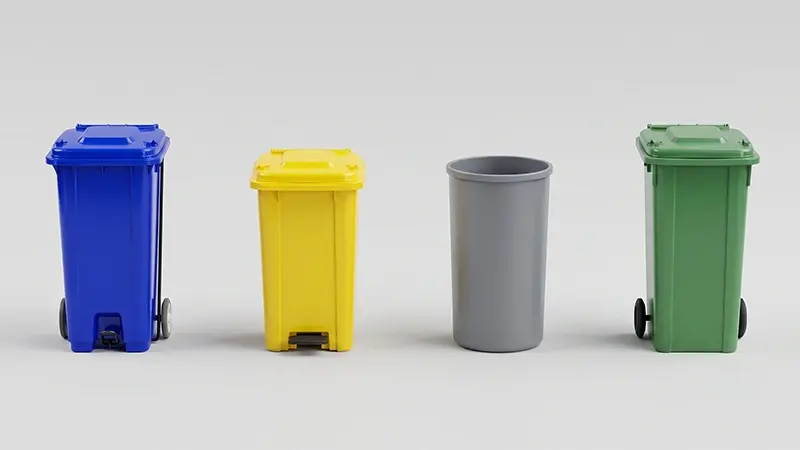
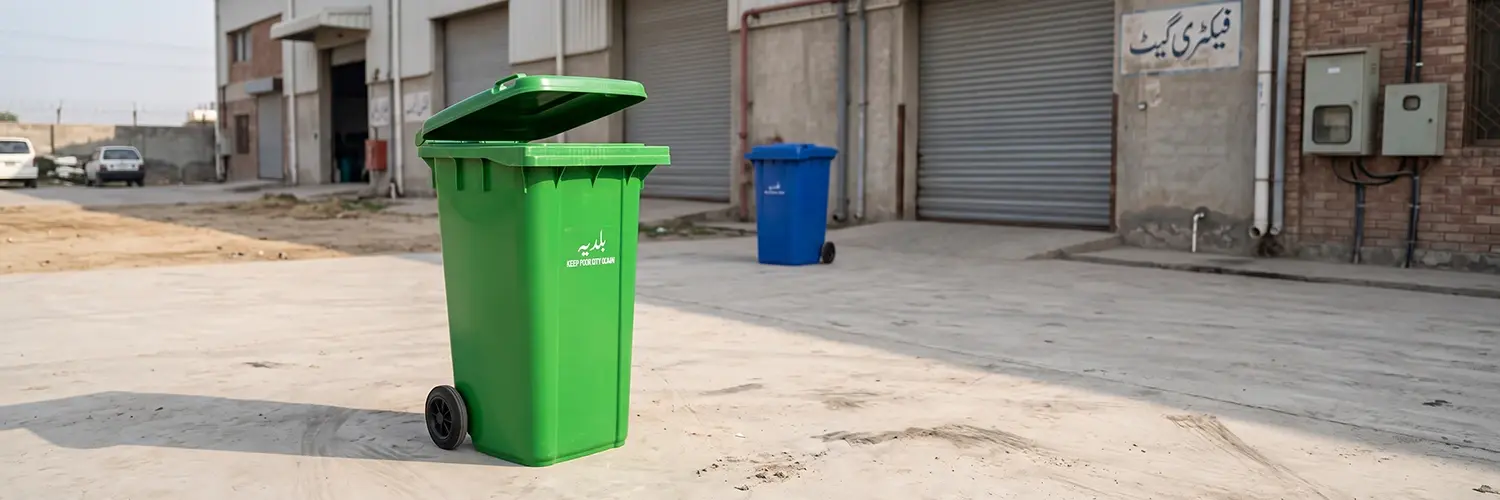
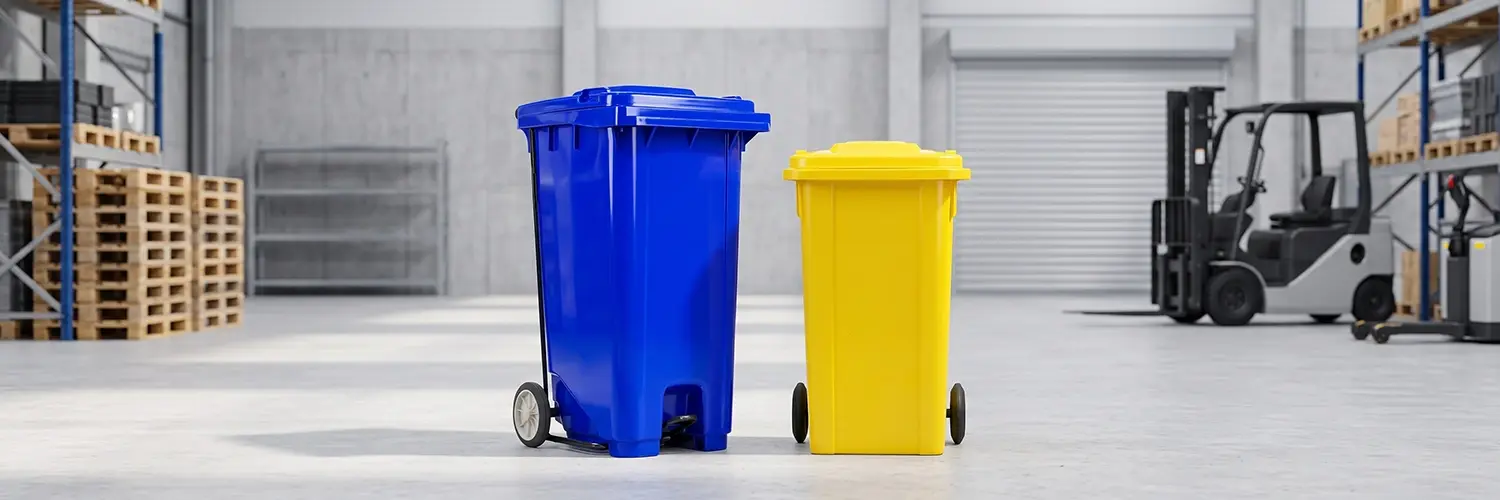
Capacity is one of the first things to consider. Cherry Plastics currently offers plastic dustbins in two main capacities: 100 liters and 240 liters.
A 100 liter dustbin can be suitable for offices, retail outlets, restaurants and other commercial areas where waste volumes are moderate.
Its smaller footprint can make it easier to position in areas where floor space is limited.
A 240 liter dustbin is better suited to locations that generate larger volumes of waste, including factories, warehouses, institutions and larger commercial facilities.
Its wheeled design also makes moving collected waste easier than manually carrying a full container.
A wheelie bin is fitted with wheels so it can be moved between collection points, storage areas, and disposal locations. This can reduce the physical effort involved in routine waste handling.
A pedal bin opens using a foot-operated pedal, allowing users to dispose of waste without touching the lid. This type can be useful in areas where hygiene and hands-free operation are important.
The important point is that these designs serve different purposes. Businesses should choose based on their actual workflow rather than simply selecting the largest available bin.
Start by estimating how much waste your facility produces between collection cycles.
A 100-liter dustbin may work well for a smaller commercial area, while a 240-liter dustbin may be more practical for higher-volume locations. However, business type alone should not determine capacity. Actual waste volume and collection frequency matter more.
For demanding commercial and industrial environments, material quality is important.
An HDPE dustbin made from high-density polyethylene can provide good impact resistance, durability and resistance to moisture. HDPE is widely used for containers that need to withstand regular handling and everyday wear.
The right material also depends on where the bin will be placed and what type of waste it will hold.
Design should support the way employees handle waste.
Wheels are useful when bins need to move frequently. Pedal-operated designs can support hands-free disposal, while lids can help contain waste and reduce exposure to the surrounding environment.
For large facilities, mobility can make a noticeable difference to daily material handling.
Bins used in food processing, healthcare, hospitality and other hygiene-sensitive environments should be easy to clean.
Smooth plastic surfaces can make routine hygiene and cleaning easier. Regular emptying, washing and sanitation are still necessary because the material alone does not replace proper waste-handling procedures.
Outdoor waste bins face sunlight, rain, temperature changes and physical exposure.
If a bin will remain outdoors for long periods, look for a weather-resistant bin made from material suitable for outdoor use. UV-stabilized plastic may also be worth considering where prolonged sunlight exposure is expected.
Industrial facilities should also check whether the bin material is suitable for the specific chemicals or substances it may come into contact with.
A good waste-management system often requires different containers for different waste streams.
Using different bin sizes or colors can make waste segregation easier for employees and visitors. Before selecting a color system, businesses should check their own internal procedures and any applicable local or industry requirements.
Commercial and industrial facilities may both need durable bins, but their requirements can differ.
Offices, retail stores, restaurants and smaller commercial facilities may need several smaller bins positioned around the premises. A commercial plastic dustbin should be easy to place, clean and empty without taking up unnecessary space.
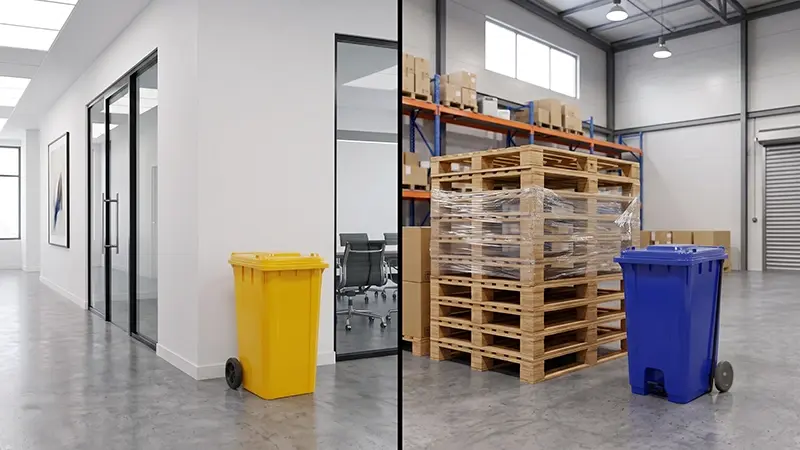
Industrial facilities often generate larger volumes of waste and may move bins across production floors, warehouses or loading areas. An industrial plastic dustbin therefore needs suitable capacity, mobility and durability for repeated handling.
The best choice is not automatically the biggest bin. It is the one that fits the facility's waste volume and handling process.
A well-selected plastic dustbin can provide several practical benefits:
These benefits make plastic dustbins useful as part of a broader waste-management and material-handling system.
For businesses comparing plastic dustbins, the manufacturer matters as much as the capacity.
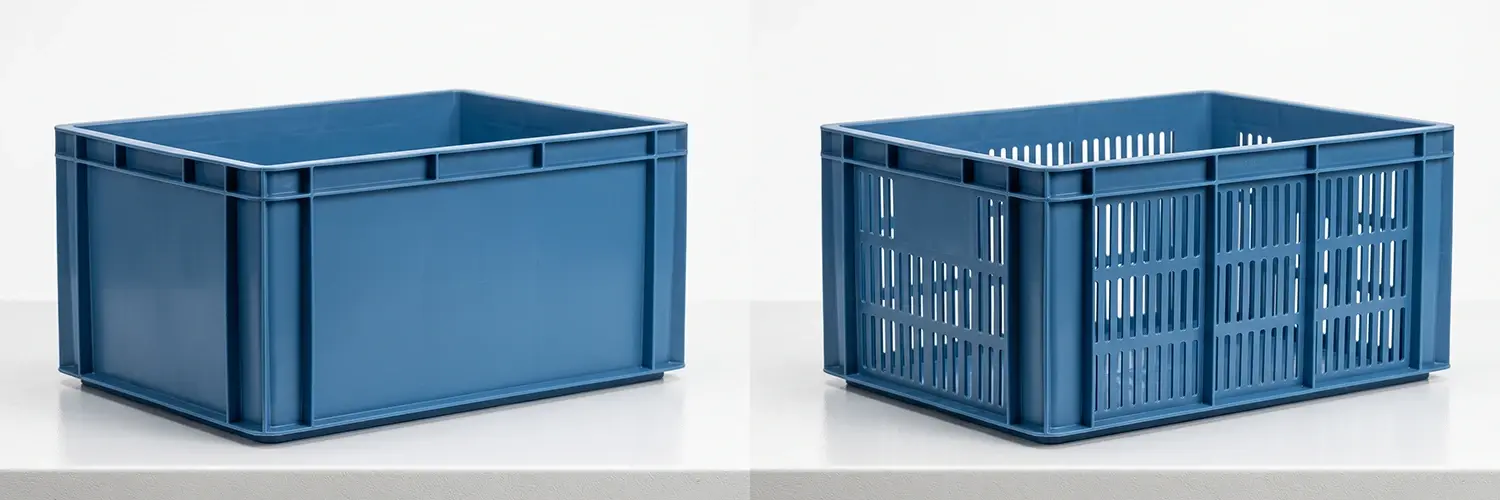
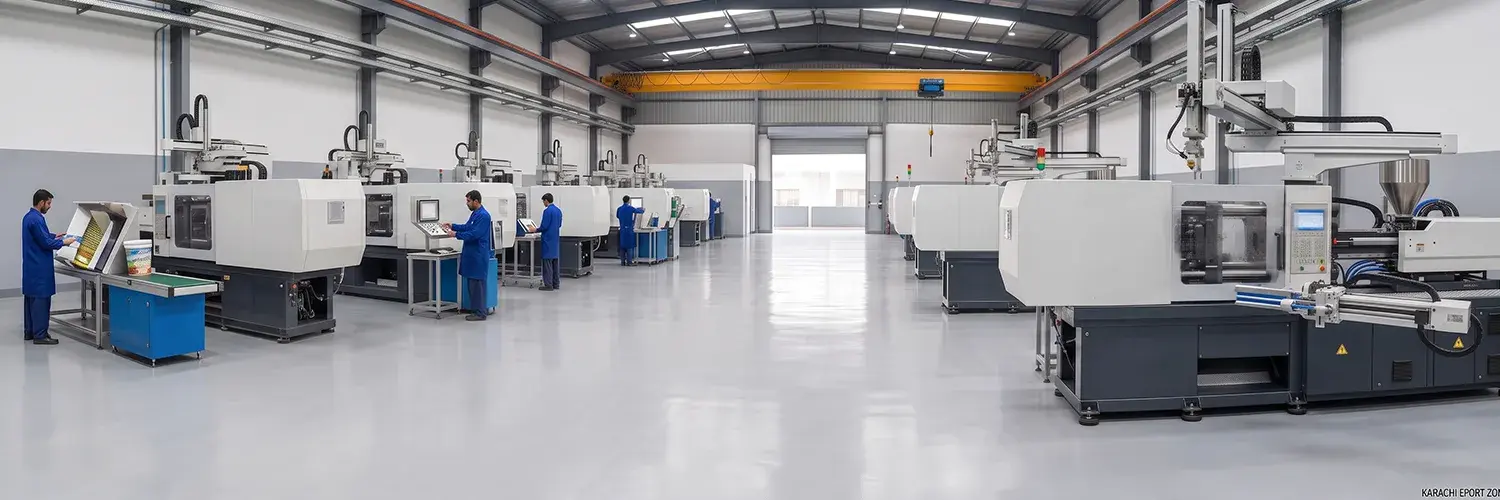
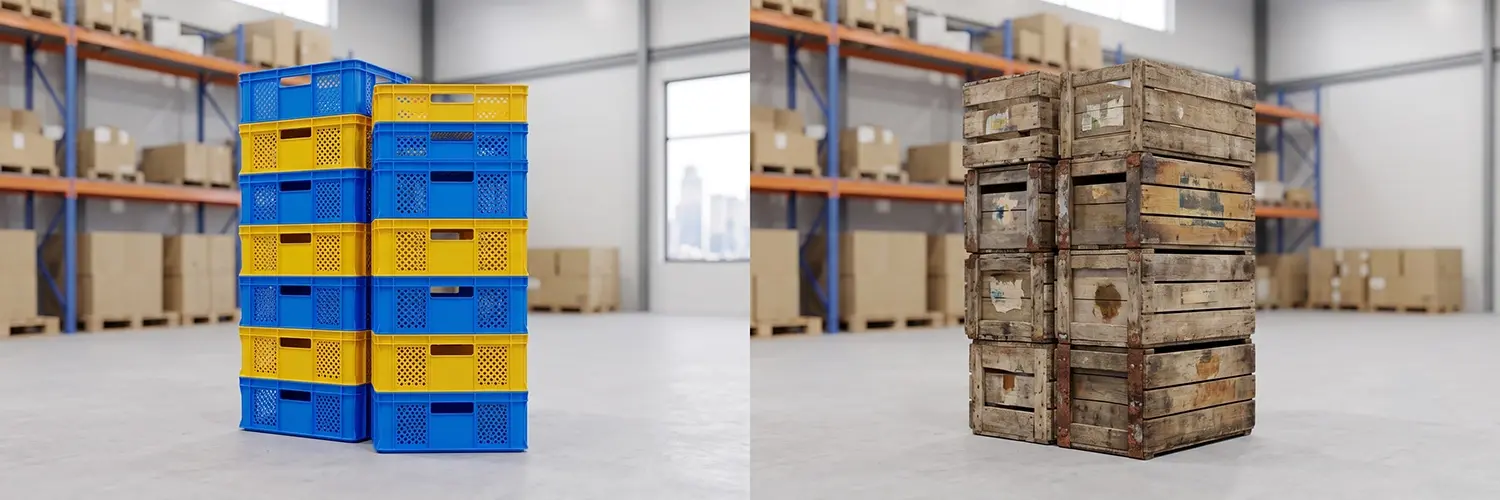
Cherry Plastics has been manufacturing plastic packaging and storage solutions in Pakistan since 2007 and is backed by more than 30 years of industry experience. Its product range includes plastic dustbins as well as crates, pallets and In-Mold Labelled boxes for different packaging, storage and material-handling applications.
For businesses that need waste-management products alongside other plastic handling solutions, working with one manufacturer can simplify sourcing and product selection.
Cherry Plastics' current dustbin range includes 100-liter and 240-liter options, giving businesses a choice based on their waste volume and operating environment.
Choosing the right plastic dustbin comes down to more than capacity. Businesses should consider waste volume, material quality, mobility, cleaning requirements, outdoor exposure and waste segregation before making a decision.
A 100-liter dustbin may suit a smaller commercial area, while a 240-liter model can provide greater capacity for higher-volume facilities. For industrial environments, durability and easy movement may be just as important as size.
When these factors are matched to the actual workflow, the right dustbin becomes a practical part of a cleaner and more organized waste-management system.
1. What is the best material for a commercial plastic dustbin?
HDPE is a common choice because it offers good durability, impact resistance and moisture resistance.
2. What dustbin sizes does Cherry Plastics offer?
Cherry Plastics offers plastic dustbins in 100-liter and 240-liter capacities.
3. Are plastic dustbins better than metal ones for commercial use?
Plastic dustbins are lightweight, rust-resistant, easy to clean and suitable for many commercial applications.
4. Do plastic dustbins need to be weather resistant?
Yes, outdoor dustbins should be made from weather-resistant material and may require UV stabilization for prolonged sun exposure.
5. Which dustbin size is better for commercial and industrial use?
A 100-liter dustbin suits moderate waste volumes, while a 240-liter dustbin is better for higher-volume waste collection.
Copyright 2026 © All Rights Reserved
Designed & Developed by : Digital Hyperlinks (PVT) LTD.