-
Email sales@cherryplastics.com
-
Call +92 334 3195599
Email sales@cherryplastics.com
Call +92 334 3195599
In-mould labelling (IML) is a packaging technique where a pre-printed polypropylene label is placed inside a mould before the plastic container is formed. The molten plastic fuses permanently with the label during injection, producing a finished container that comes out fully decorated. Unlike sticker labels applied after production, the label becomes part of the container wall itself. It cannot peel, bubble or fade.
This guide covers how IML works, where it outperforms traditional labelling and which Pakistani industries benefit most from it.
The process starts with a pre-printed label, typically made from polypropylene film, cut to the exact dimensions of the container. This label is placed inside the mould cavity and held in position by static charge or vacuum suction before any plastic enters.
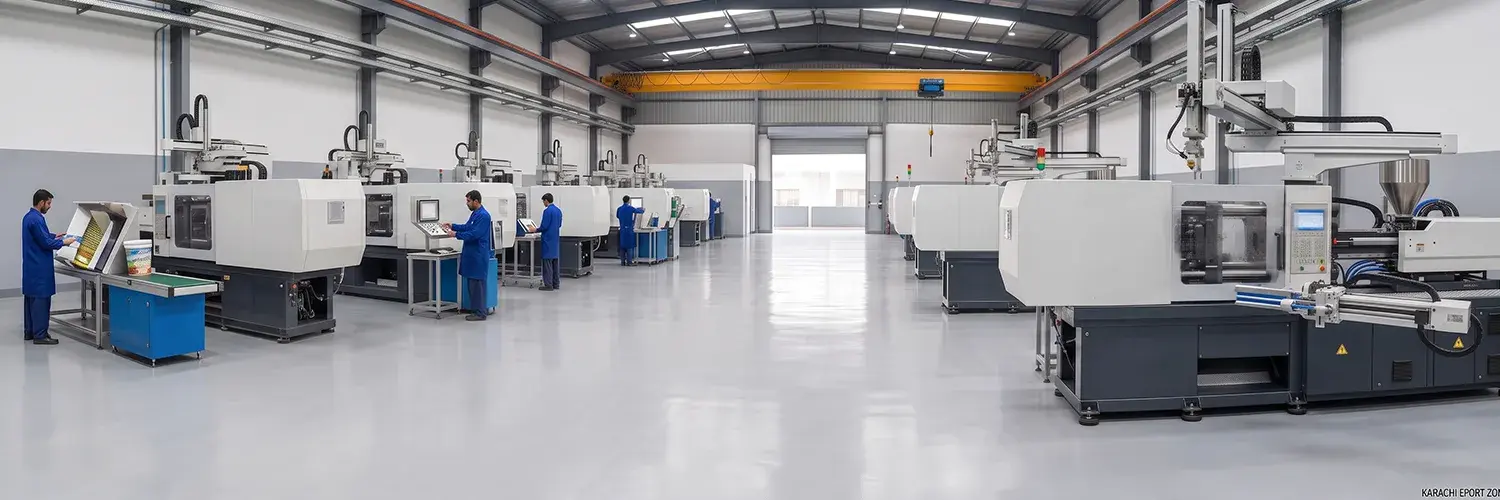
Once positioned, the mould closes and molten polypropylene is injected at high pressure. The heat activates a bonding layer on the label's back surface, fusing it permanently to the container wall as the plastic cools. The finished product comes out as a single piece. Container and decoration are chemically bonded, not glued.
Three production methods are used for IML:
Traditional packaging decoration uses one of three approaches: pressure-sensitive sticker labels, shrink sleeve wraps or direct screen printing. Each has tradeoffs that become visible as conditions get tougher.
Sticker labels are the most common method in Pakistan. They are cheap and flexible but peel in humidity, bubble under heat and their edges catch during stacking. In warehouses without climate control (which is most warehouses here) sticker labels degrade within weeks.
Shrink sleeves offer full-surface coverage but crack in cold storage. Screen printing is durable but limited in colour range and detail.
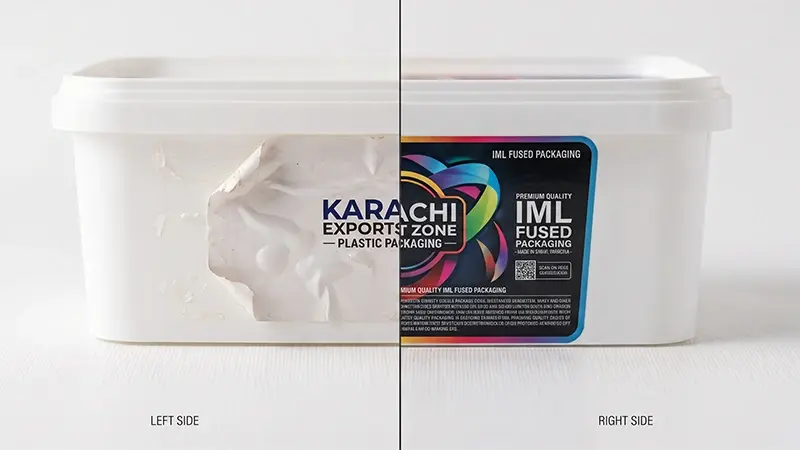
In-mould labelling eliminates the post-production labelling step entirely. IML packaging resists moisture, temperature swings, UV exposure and physical abrasion because the decoration is embedded in the container wall, not sitting on top of it.
IML packaging works best in specific conditions where its advantages justify the higher mould setup costs:
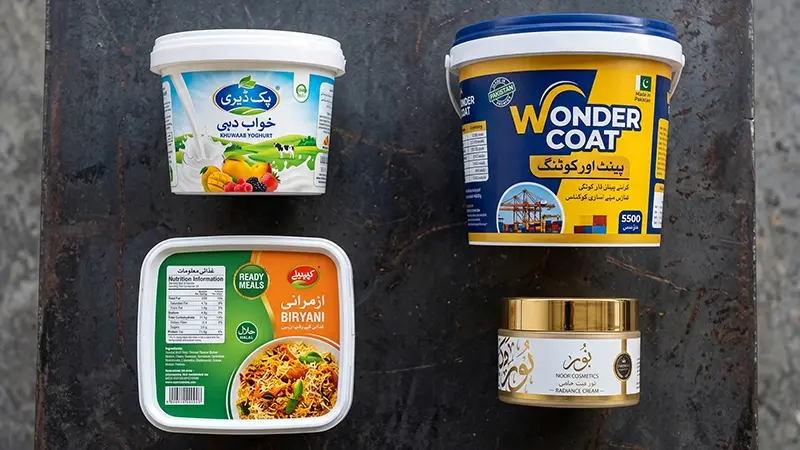
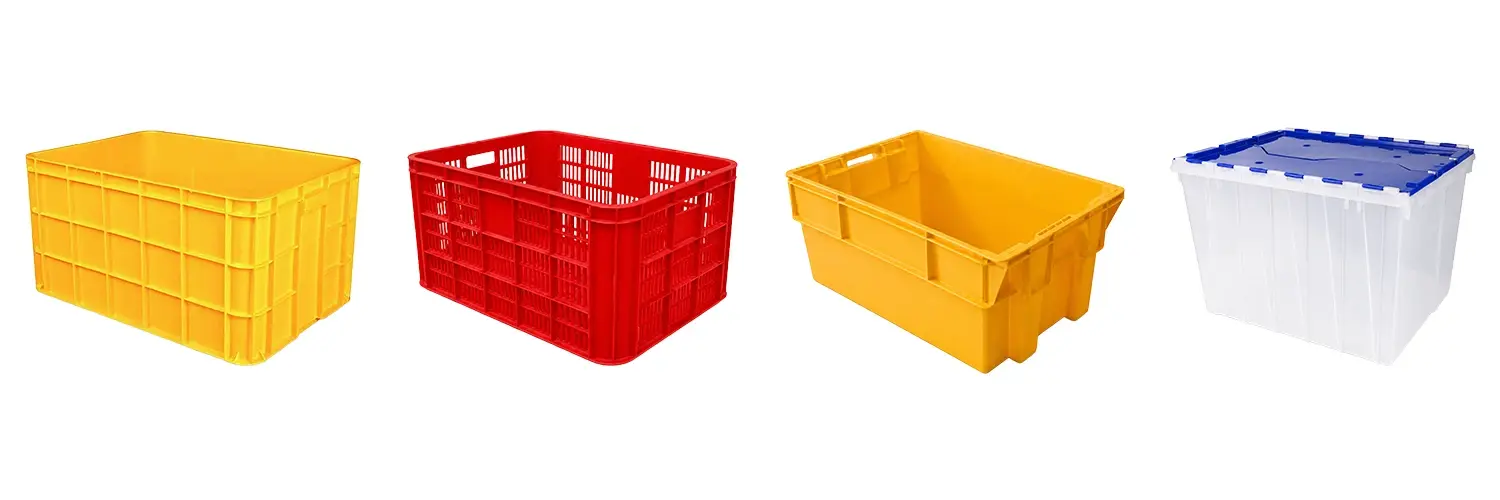
Pakistan's dairy sector has adopted IML widely for yoghurt cups, butter tubs, cream containers and ghee packaging. Brands like Engro Foods, Nurpur and local processors use these containers because the labels survive cold chain handling without peeling or fading. Products like these are often stored and transported in ventilated crates that allow airflow while protecting the labelled surface from damage.
Paint manufacturers need labels that survive solvents, oils and rough handling on construction sites. Chemical companies packaging fertilisers, pesticides and industrial liquids face similar demands. Embedded labels handle this because they are part of the container structure, not a surface layer.
Fast-moving consumer goods companies in Pakistan including Unilever, National Foods and Mitchell's use IML for product lines where packaging quality directly influences buying decisions. Photo-realistic graphics, nutrition information and regulatory text printed in a single integrated step reduce production complexity while improving shelf presence.
An IML container is only as good as the system that moves it from production to retail. Containers that survive the moulding process intact can still get damaged during storage and transport if the handling infrastructure is wrong.
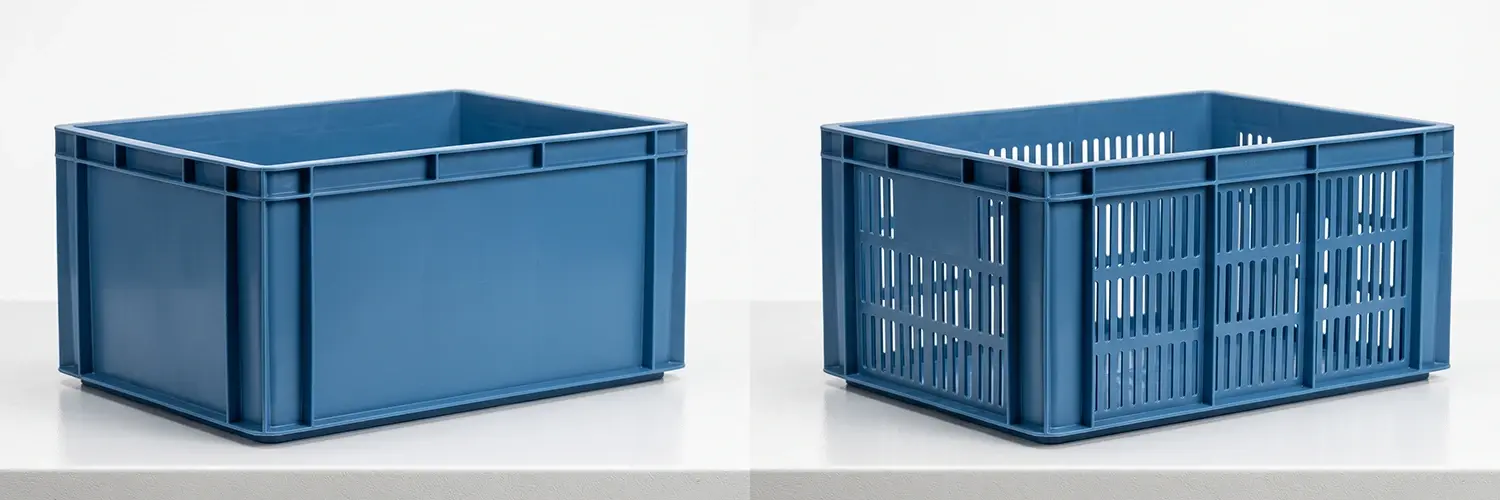
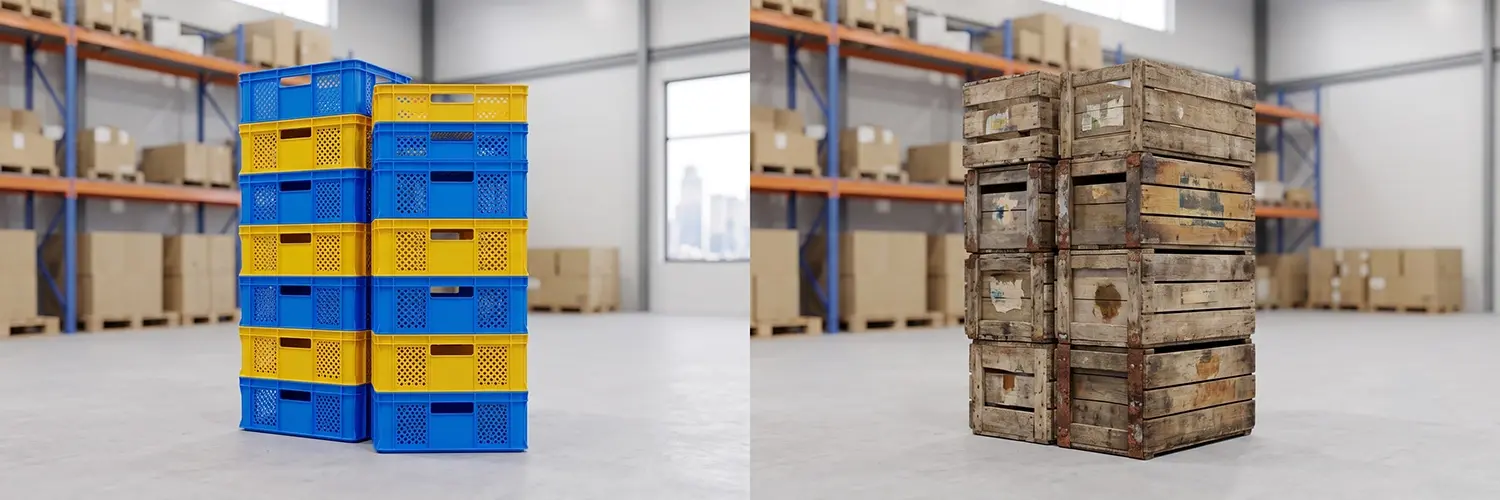
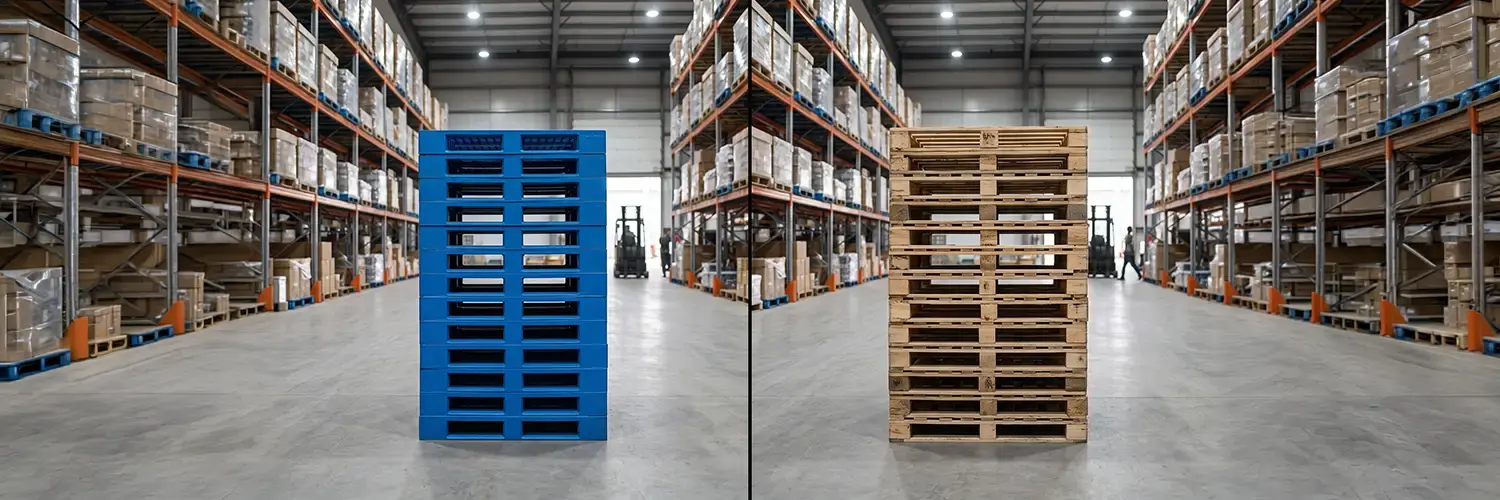
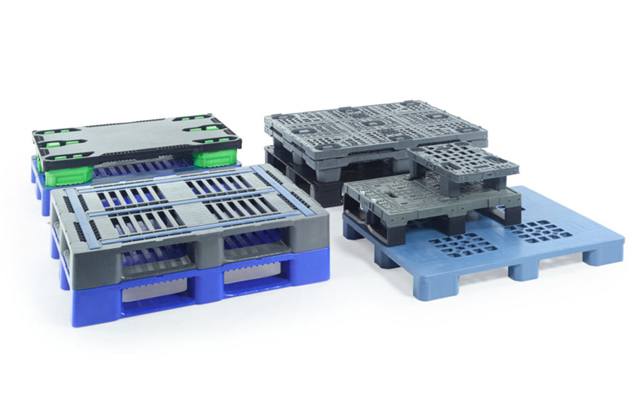
Closed-wall crates protect IML containers from dust and physical impact during warehouse storage. Perforated crates provide airflow for temperature-sensitive products like dairy that need ventilation to prevent condensation buildup. Plastic pallets with smooth surfaces prevent the snagging and splinter damage that wooden pallets cause to labelled containers.
A brand investing in premium packaging but shipping on rough wooden pallets or stacking in mismatched crates is undermining the entire investment. The handling system needs to match the quality of the packaging.
IML is not a universal solution. Mould setup costs make it impractical for short runs or products with frequently changing designs. Minimum order quantities are higher than traditional labelling, so small-batch brands or seasonal products may find stickers more cost-effective.
The label design must also be finalised before production begins. There is no fixing a typo after the labels are printed and moulds are loaded. This requires tighter coordination between design, regulatory and production teams compared to sticker-based workflows.
In-mould labelling solves durability, efficiency and aesthetics problems that traditional labels cannot handle in Pakistan's supply chain conditions. For food, dairy, paint and FMCG manufacturers running high-volume lines it reduces per-unit costs while delivering packaging that looks as good on the retail shelf as it did leaving the factory.
The container is one part of the equation. The crates and pallets that carry these products through warehouses and transport determine whether premium packaging reaches the customer intact. Explore Cherry Plastics' full range of material handling solutions to build a system that matches the quality of your packaging.
1. What does IML stand for in packaging?
IML stands for In-Mould Labelling, a technique where a pre-printed label is fused with the plastic container during the moulding process, becoming a permanent part of the product.
2. Is IML more expensive than sticker labels?
Setup costs are higher, but at volumes above 10,000 units the per-unit cost is typically lower because it eliminates separate labelling stations, adhesive costs and rework.
3. Can IML labels survive freezer conditions?
Yes. The label is fused into the container wall, so it does not peel, crack or wrinkle under freezing temperatures or condensation.
4. What industries in Pakistan use IML?
Dairy, food processing, paint, chemicals and FMCG are the primary industries. Any sector needing durable branded packaging at scale benefits from it.
5. What materials are used for IML labels?
Polypropylene (PP) or polyethylene (PE) film. These bond permanently with the container resin, making the entire package recyclable as a single material.
Copyright 2026 © All Rights Reserved
Designed & Developed by : Digital Hyperlinks (PVT) LTD.