-
Email sales@cherryplastics.com
-
Call +92 334 3195599
Email sales@cherryplastics.com
Call +92 334 3195599
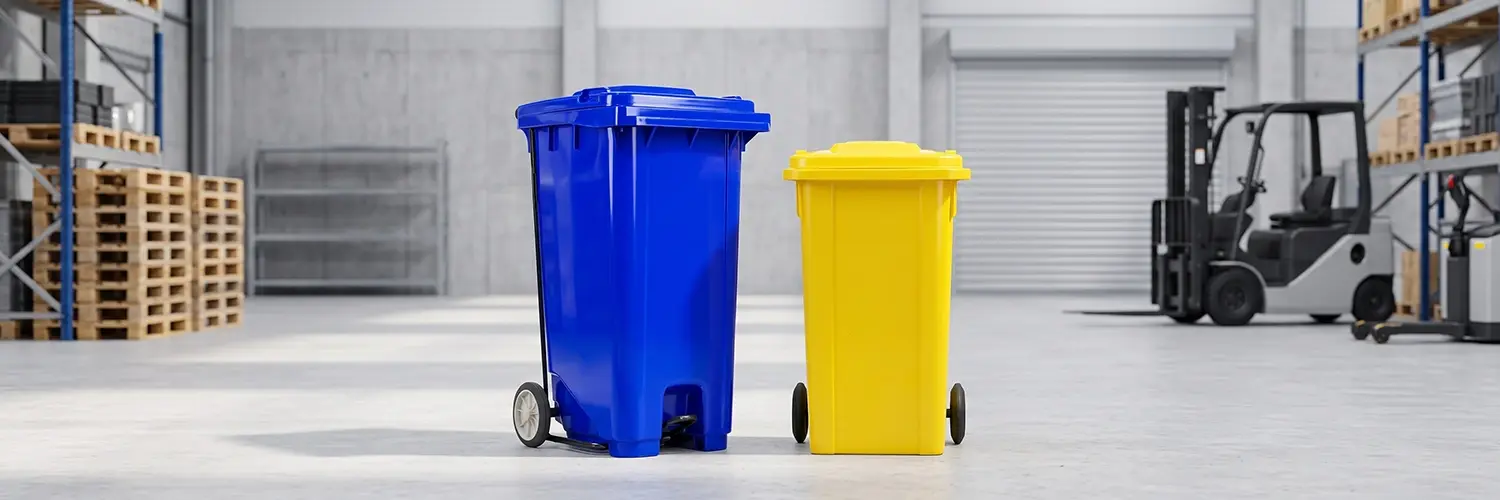
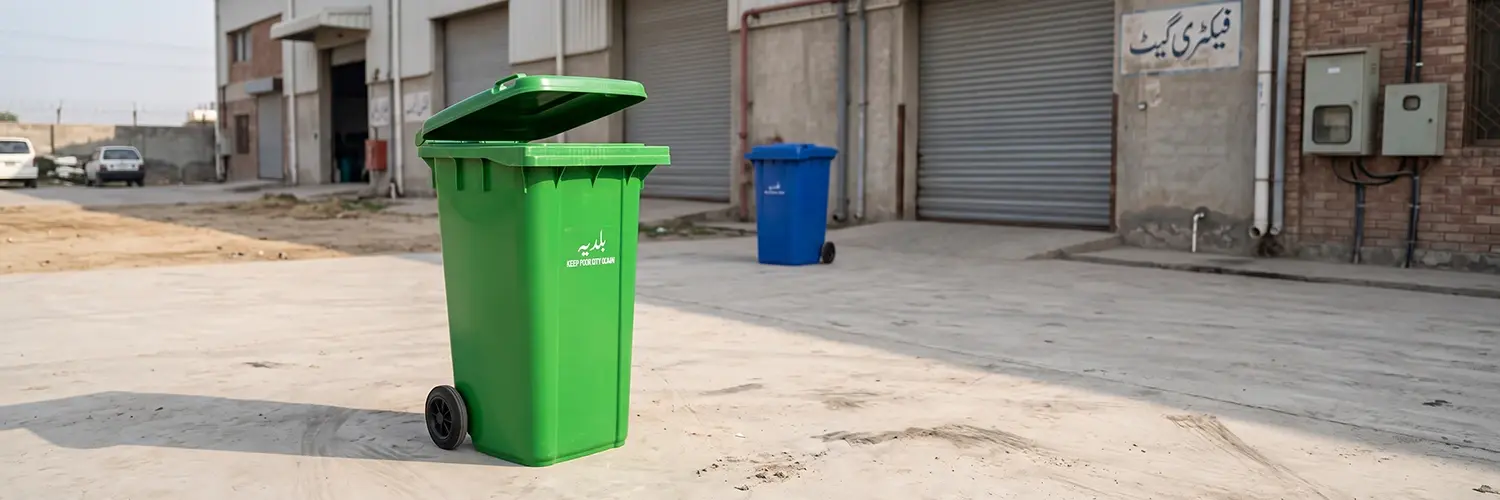
A 240-litre plastic dustbin is the standard large-capacity waste bin used by factories, hospitals, schools, commercial buildings and municipal waste collection systems across Pakistan. It holds roughly 4 to 5 times the waste of a standard office bin, features built-in wheels for easy movement and a hinged lid that keeps odor and pests contained.
Most buyers search for a 240-litre dustbin without a clear picture of how much waste that actually fits. To put it in practical terms: a 240L bin holds approximately 8 to 10 full trash bags (the standard 25–30-liter bags used in offices and kitchens). For a small factory floor or a commercial kitchen, that translates to a full day's waste in a single bin.
This capacity makes it the default choice for facilities that generate moderate to heavy waste volumes but do not need the larger 660L or 1100L containers that require mechanical lifting. A 240L bin can still be wheeled and emptied by one person.
The Cherry Plastics 240L plastic dustbin is built for daily use on rough ground. Its main specifications are:
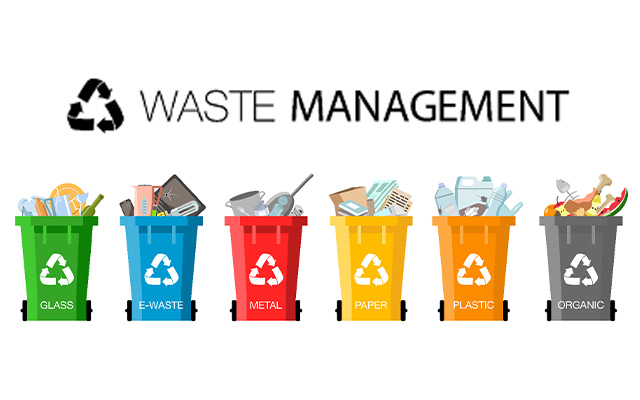
If you plan waste segregation, order the colors you need from the start. Switching a site to a color system later is harder once bins are placed and staff are used to one setup.
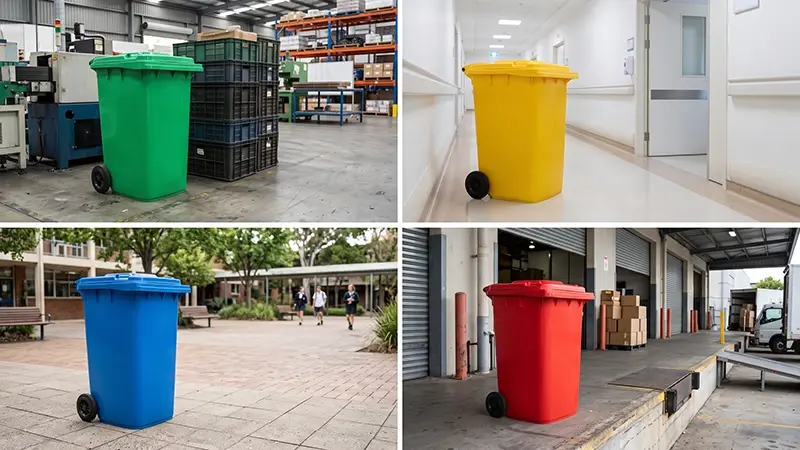
Because it sits between small indoor bins and large municipal containers, this size fits a wide range of sites.
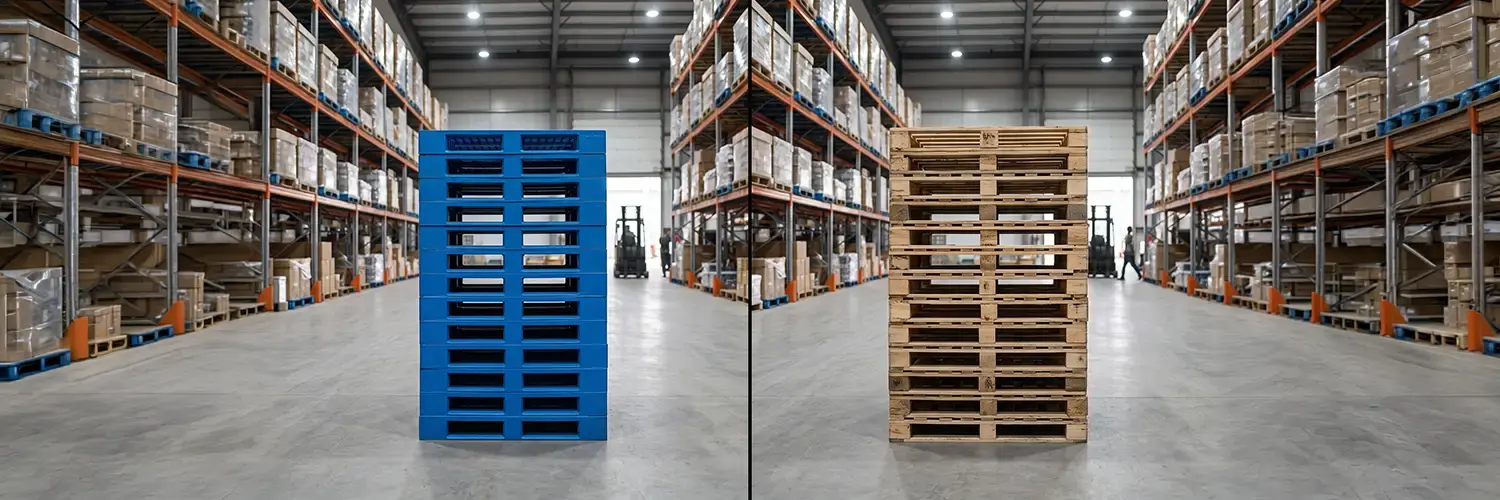
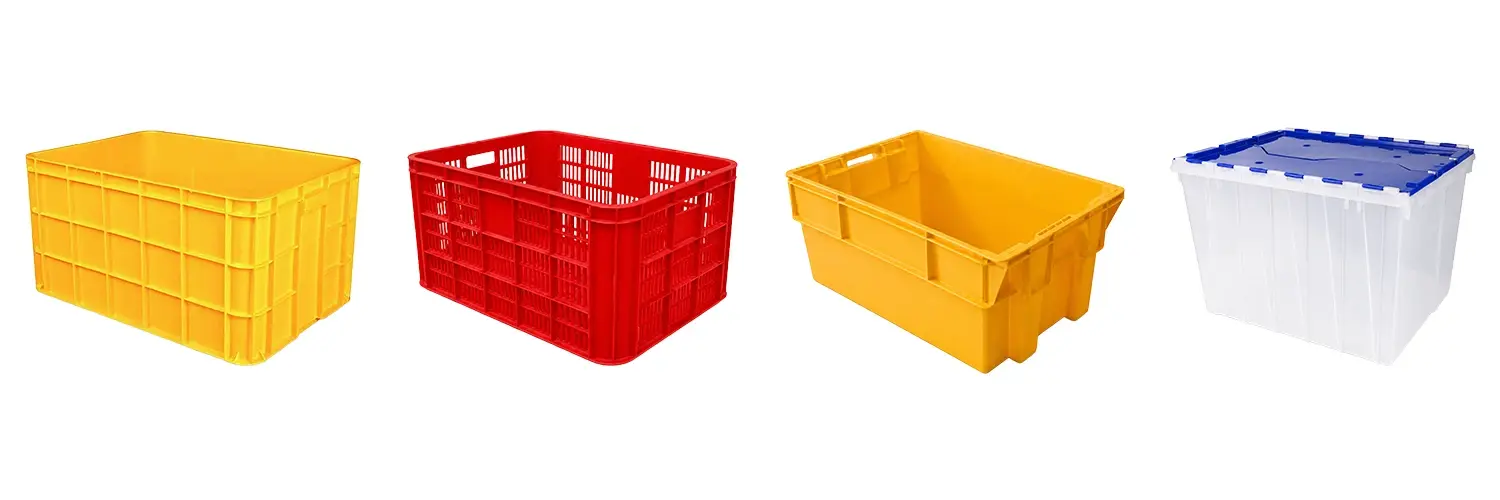
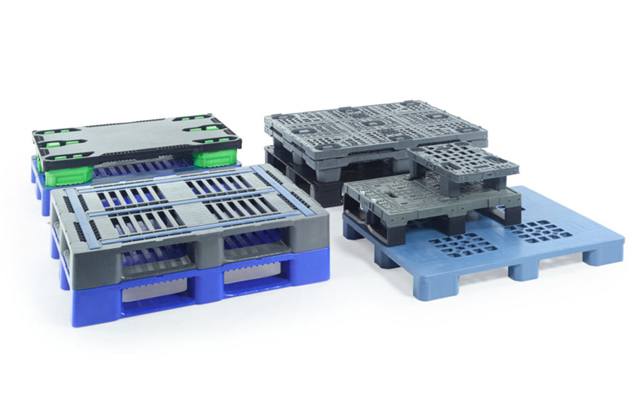
Production floors, packaging areas and loading docks generate consistent waste throughout the shift. A 240L dustbin placed at each waste-generating station reduces the need for frequent emptying. Facilities storing goods in plastic crates and pallets often place these bins at the end of each aisle for packaging waste and damaged materials.
Hospitals and clinics use color-coded bins to keep general waste apart from infectious waste. A closed lid matters here, as it limits odor and contamination in corridors and holding rooms. For infectious waste, follow the color code and handling rules in your provincial hospital waste regulations.
Cafeterias, hostels, food courts and back-of-house areas fill bins quickly. A commercial dustbin on wheels lets cleaning staff roll waste to the collection point instead of dragging bags across the floor.
Housing societies and town committees often use 240L bins as street-level collection points. In this role, the bin has to survive sun, rain and rough handling as an outdoor dustbin. If your contractor's trucks use bin lifters, check that the rim fits their lifting mechanism before ordering.
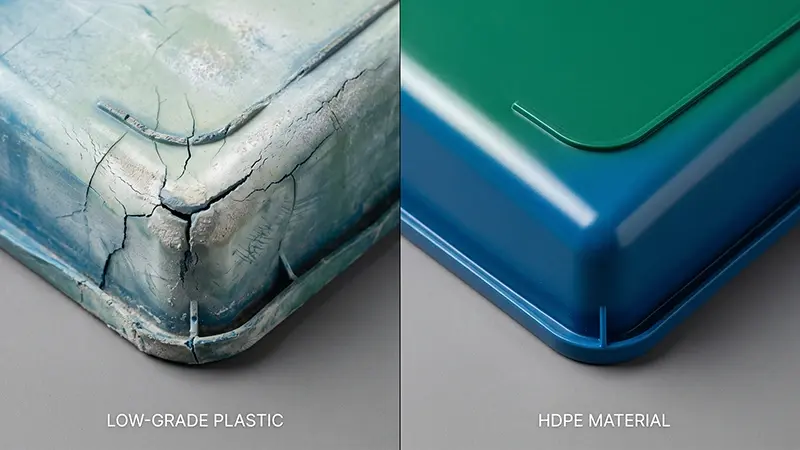
Not all 240L dustbins are made from the same material. The difference between HDPE (High-Density Polyethylene) and low-grade recycled plastic directly affects how long the bin lasts and how it performs under daily use.
A bin that costs 20% less upfront but needs replacing every year is more expensive than an HDPE bin that lasts 7 to 10 years. Always confirm the material grade before purchasing.
Beyond capacity and material, these features determine whether a 240L dustbin performs well in real-world conditions:
The 100 liter dustbin is the other standard size in the Cherry Plastics range. Here is when to pick each:
Many facilities use both sizes together. 240L bins at main collection points and 100L bins at individual departments or workstations.
Most buyers start by checking the price of a 240-liter dustbin in Pakistan. Price depends on whether the bin uses virgin or recycled plastic, its wall thickness, the wheel and axle type, UV additives and your order quantity. Bulk orders usually bring the unit cost down.
Before placing a bulk order, confirm these points with the manufacturer:
A 240-liter dustbin is the practical standard for any Pakistani facility generating moderate to heavy daily waste. The right bin is made from HDPE, has solid rubber wheels, a tight-sealing lid and a reinforced rim that handles years of daily abuse. Choosing based on material quality and features rather than price alone will save replacement costs over the bin's working life.
View Cherry Plastics' 240L Plastic Dustbin specifications or explore the full dustbin range to find the right size for your facility.
1. How much does a 240-litre dustbin cost in Pakistan?
Price depends on material grade, wheel and axle quality, colors and order quantity, so request a quote with your required quantity for an exact figure.
2. Can one person move a full 240L dustbin?
Yes, one person can tilt and roll a loaded bin on its rear wheels, though lifting it to empty usually needs two people or a bin lifter.
3. Can a 240-litre dustbin be kept outdoors?
Yes, as long as it is made from UV-stabilized HDPE, which resists the cracking and fading caused by strong sun.
4. How long does a 240L HDPE dustbin last?
A UV-stabilized virgin HDPE bin lasts several years of daily outdoor use, far longer than bins made from recycled plastic.
5. How should a 240-litre dustbin be cleaned?
Rinse it with water and mild detergent, scrub the inside with a long-handled brush, and leave it upside down with the lid open to dry.
6. Can 240L dustbins be used for hospital waste?
They suit general hospital waste, but infectious waste must follow the color code and handling rules set by your provincial hospital waste regulations.
Copyright 2026 © All Rights Reserved
Designed & Developed by : Digital Hyperlinks (PVT) LTD.