-
Email sales@cherryplastics.com
-
Call +92 334 3195599
Email sales@cherryplastics.com
Call +92 334 3195599
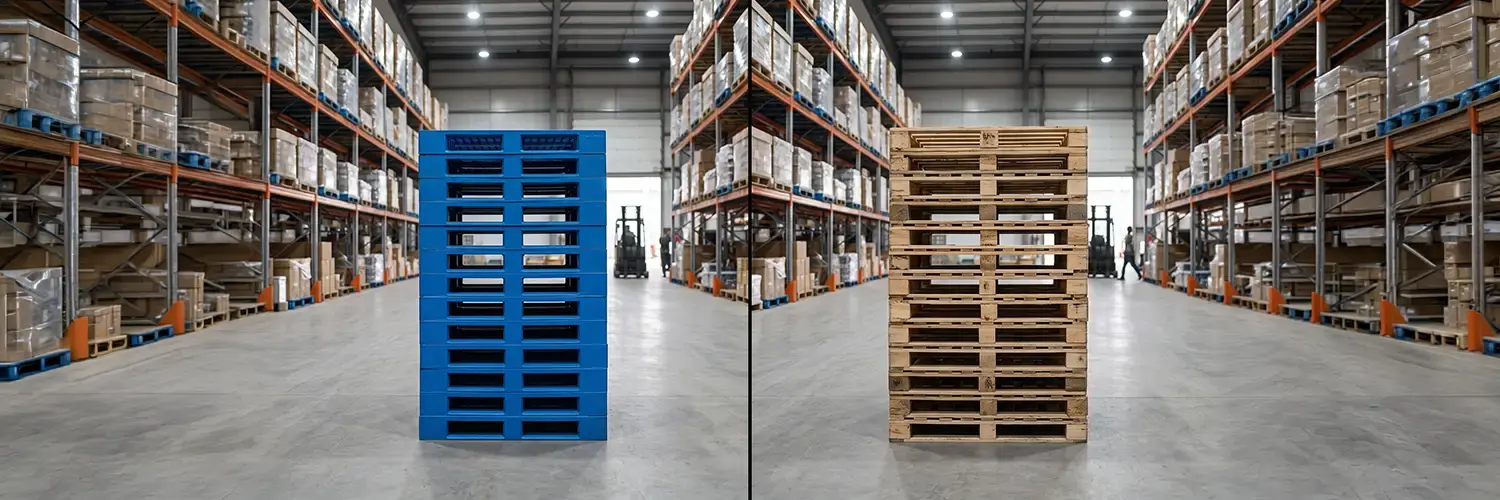
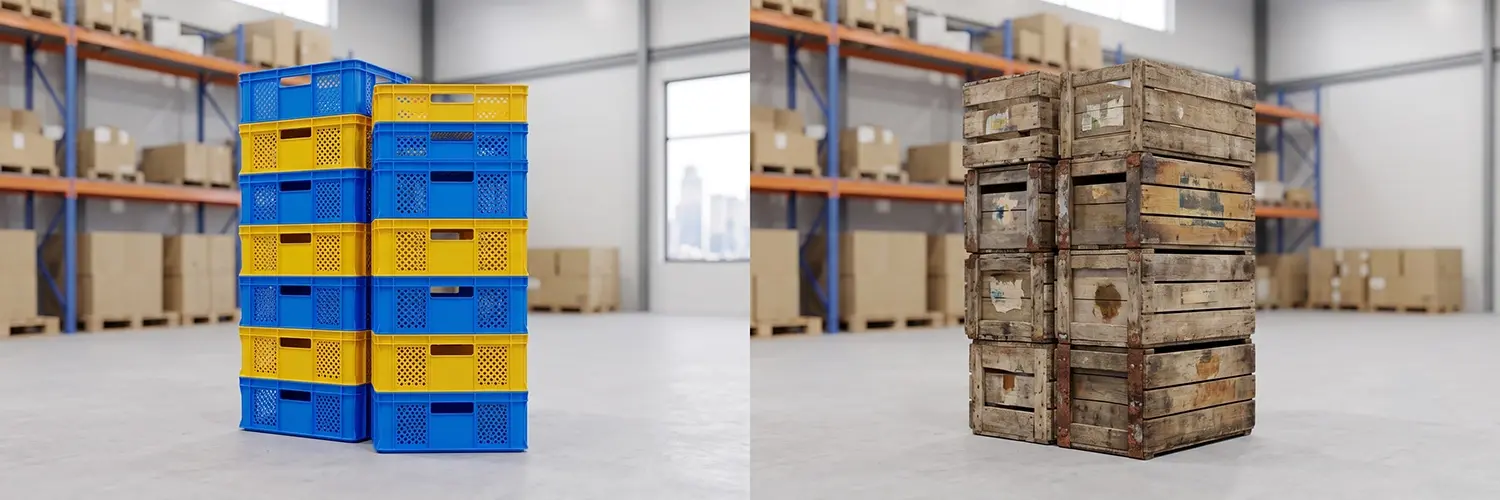
Wooden crates have long been used to move fruits, vegetables, dairy products and other goods through Pakistan's supply chains. But as businesses focus more on hygiene, product protection, efficient storage and repeat use, plastic is becoming a practical alternative. Plastic crates for food industry applications offer durability, cleanability, standardized sizing and handling efficiency.
Wooden crates still have a place in some supply chains. They can be locally made and repaired. However, food handling places extra demands on packaging.
Wood is porous, so moisture and organic residue can enter its surface. Untreated wood can also become contaminated with fungi and bacteria. Rough or damaged surfaces may cause abrasion or bruising when handling delicate produce.
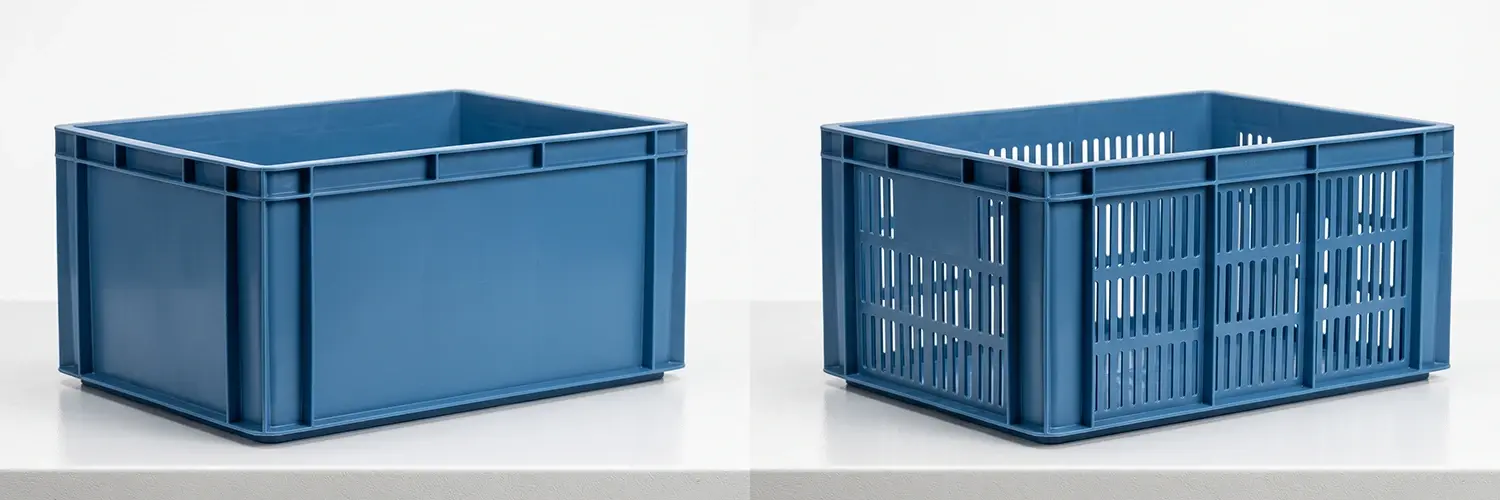
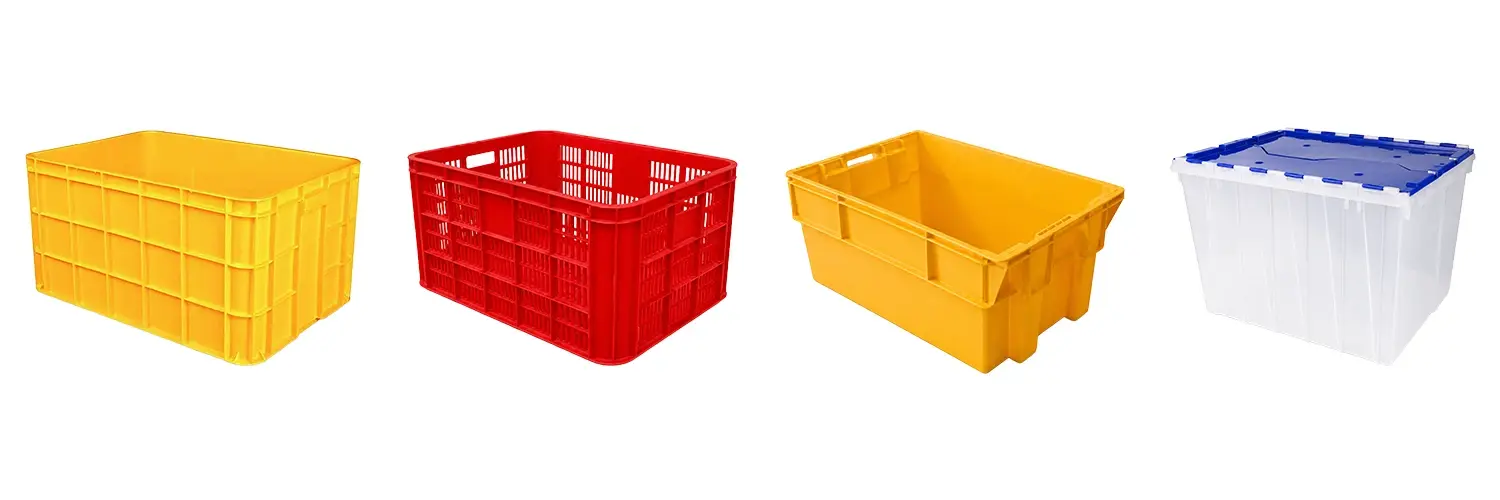
Plastic crates provide a standardized alternative. They can be designed for stacking, nesting, ventilation, washing and repeated handling, making them useful for produce, processing, warehouses, transport and cold storage.
Wooden crates may have a lower initial cost, but they can suffer from moisture, splinters, broken boards, inconsistent dimensions and repairs. Plastic crates generally cost more upfront, but durability and reusability can make the cost per use more attractive.
Standardized dimensions also improve crate stacking and nesting, helping warehouses use space more efficiently and improving stability during transportation.
The difference, therefore, is not simply about the material. It is about how the container performs throughout its working life.
One major advantage of food-safe plastic crates is easier cleaning. Suitable plastic crates can be washed and sanitized as part of a controlled handling process, while porous wooden surfaces can be harder to clean consistently.
This supports stronger hygiene standards and food safety compliance. For operations following HACCP principles, packaging and handling equipment should form part of the overall hygiene and contamination-control system.
For fresh produce, crate design matters too. Ventilation can help manage heat and moisture during transport and storage, supporting product quality and spoilage prevention.
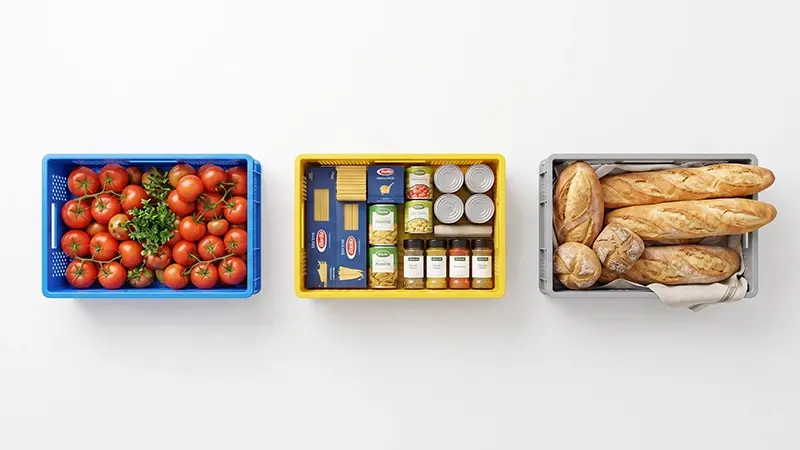
There is no single crate for every food application. The right choice depends on the product, load, handling method, and storage environment.
The goal is to match the crate to the application rather than choosing purely on price.
Reusable packaging only delivers a hygiene advantage when properly managed.
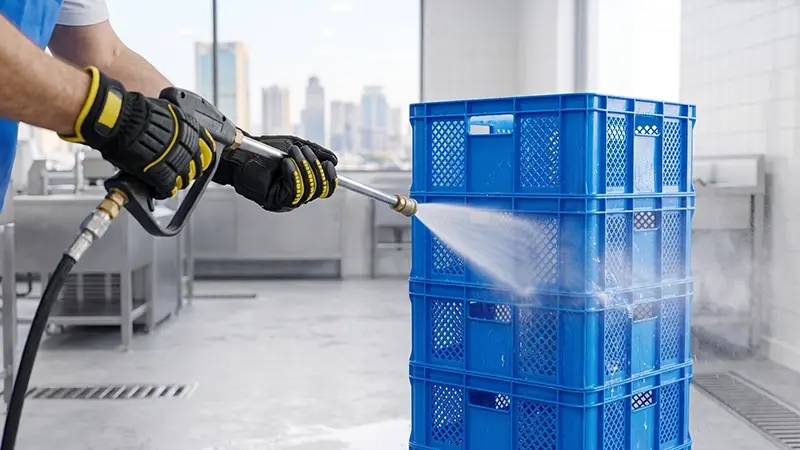
FAO guidance on reusable plastic crates highlights good practices for cleaning, sanitization and crate management in fresh produce supply chains. Switching from wood to plastic is therefore not a substitute for hygiene procedures. Crates still need to be cleaned, inspected, stored and handled correctly.
Businesses should also confirm that the specific crate and material are suitable for the intended food-contact application. Not every plastic product is automatically food-safe.
A wooden crate may look cheaper when comparing purchase prices. A better comparison is the total cost over its useful life.
Reusable plastic crates can complete repeated handling cycles and are generally resistant to moisture and everyday handling damage. Their consistent dimensions can also improve warehouse organization.
Recent tomato-transport research found that reusable plastic crates improved product quality and reduced microbiological contamination compared with certain wooden-crate practices, although the economic advantage varied by season. Businesses should therefore evaluate the complete operating model rather than assume plastic is always cheaper.
A reusable plastic crate can complete many handling cycles before reaching the end of its service life. If properly recovered, it can also enter another production cycle.
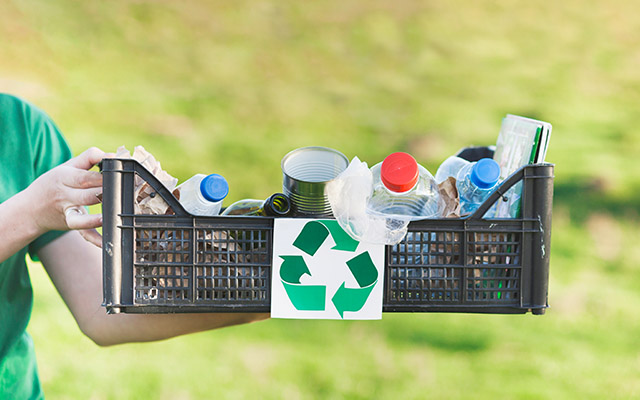
However, plastic is not automatically more sustainable simply because it is reusable. The real benefit depends on service life, reuse cycles, transport efficiency, cleaning and end-of-life recycling.
For businesses evaluating sustainability and recyclability, these factors should be considered together rather than focusing only on the material itself.
Before buying plastic crates in Pakistan, businesses should consider:
The right crate is a material handling solution, not simply a container.
For businesses moving toward reusable plastic packaging, choosing the right manufacturer matters as much as choosing the right crate.
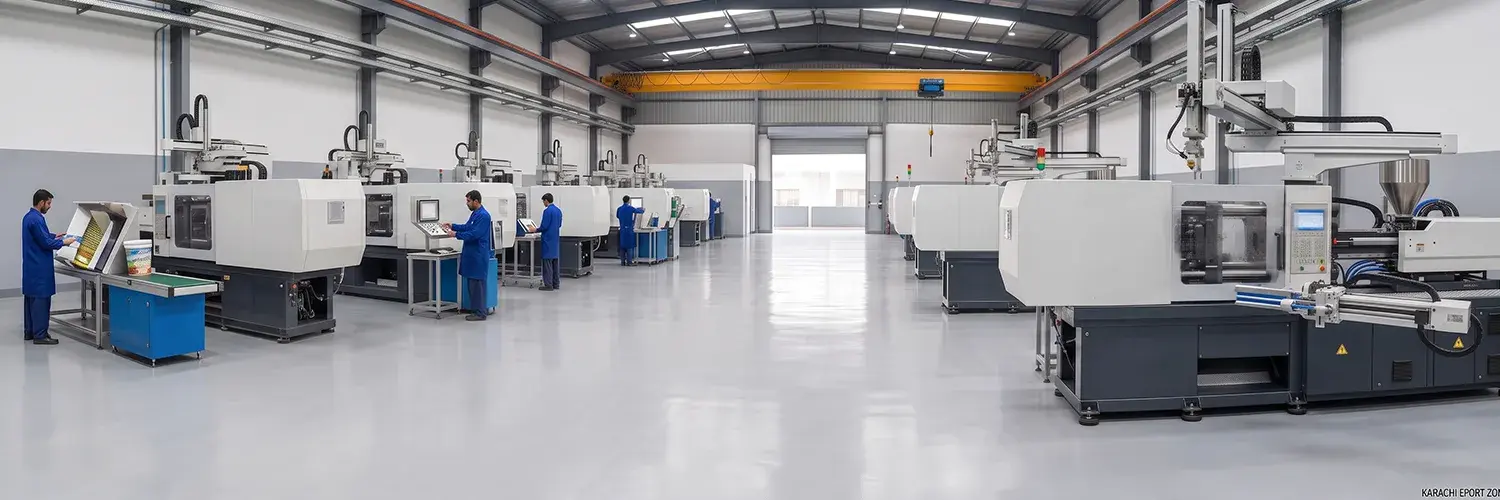
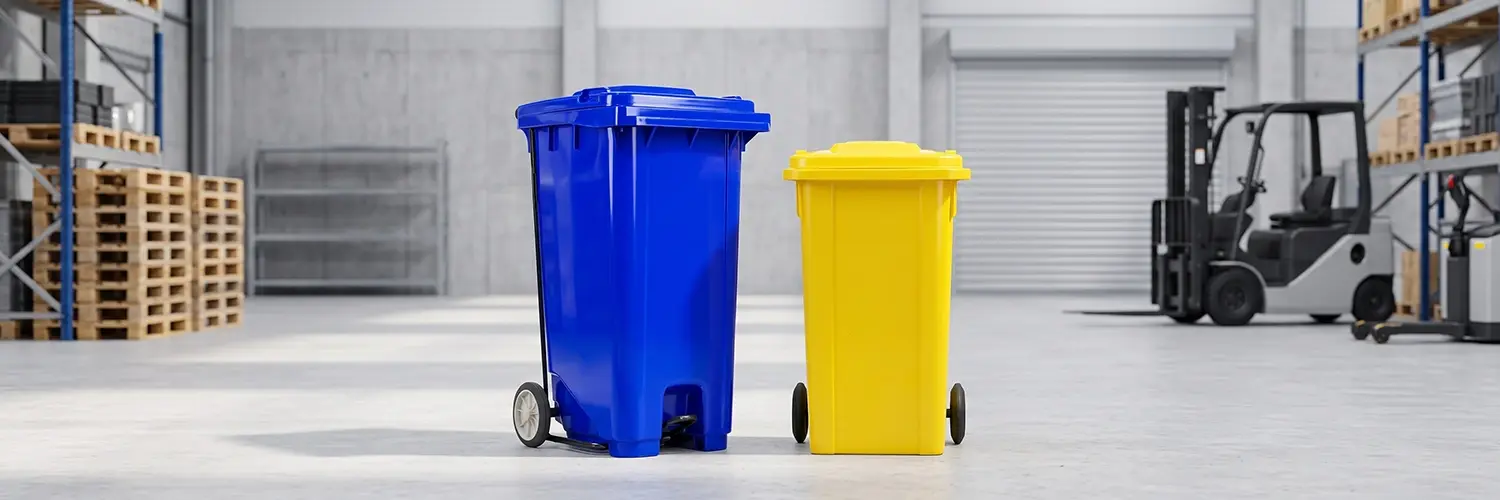
Cherry Plastics has manufactured plastic packaging and storage solutions in Pakistan since 2007 and is backed by more than 30 years of industry experience. Its range includes plastic crates, pallets, dustbins and In-Mold Labelled boxes, serving industries including food and beverage, textiles, pharmaceuticals and e-commerce.
Its focus on durable, recyclable products makes Cherry Plastics a practical option for businesses looking to improve packaging, storage and logistics.
The key is to select a crate according to the product, load, washing requirements, stacking method and handling environment.
Plastic crates are replacing wooden crates in many modern food-handling applications because they offer practical advantages in durability, hygiene, standardization, reuse and logistics.
For produce and other food products, the switch is about choosing packaging that supports cleaner handling, product protection, organization and repeated use.
As Pakistan's food supply chains continue to modernize, reusable plastic crates are likely to remain an important material handling solution.
1. Why are plastic crates replacing wooden crates in the food industry?
Plastic crates are reusable, easier to clean, resistant to moisture and available in standardized designs that support food handling, stacking, storage and transport.
2. Are plastic crates more expensive than wooden crates?
Plastic crates can cost more upfront, but repeated use, durability, fewer repairs and handling efficiency can make them more cost-effective over their service life.
3. Are plastic crates safe for food?
Some plastic crates are designed for food-contact applications, but businesses should verify the material and product specifications rather than assuming every plastic crate is food-safe.
4. What type of plastic crate is best for fruits and vegetables?
Perforated plastic crates are commonly suited to produce because their openings improve airflow around fruits and vegetables during handling, transport and storage.
5. Are reusable plastic crates environmentally friendly?
Their sustainability depends on how long they are reused, how efficiently they are transported and cleaned and whether the material is recycled at the end of its useful life.
Copyright 2026 © All Rights Reserved
Designed & Developed by : Digital Hyperlinks (PVT) LTD.